ROOTED HERE
The history of Orlando
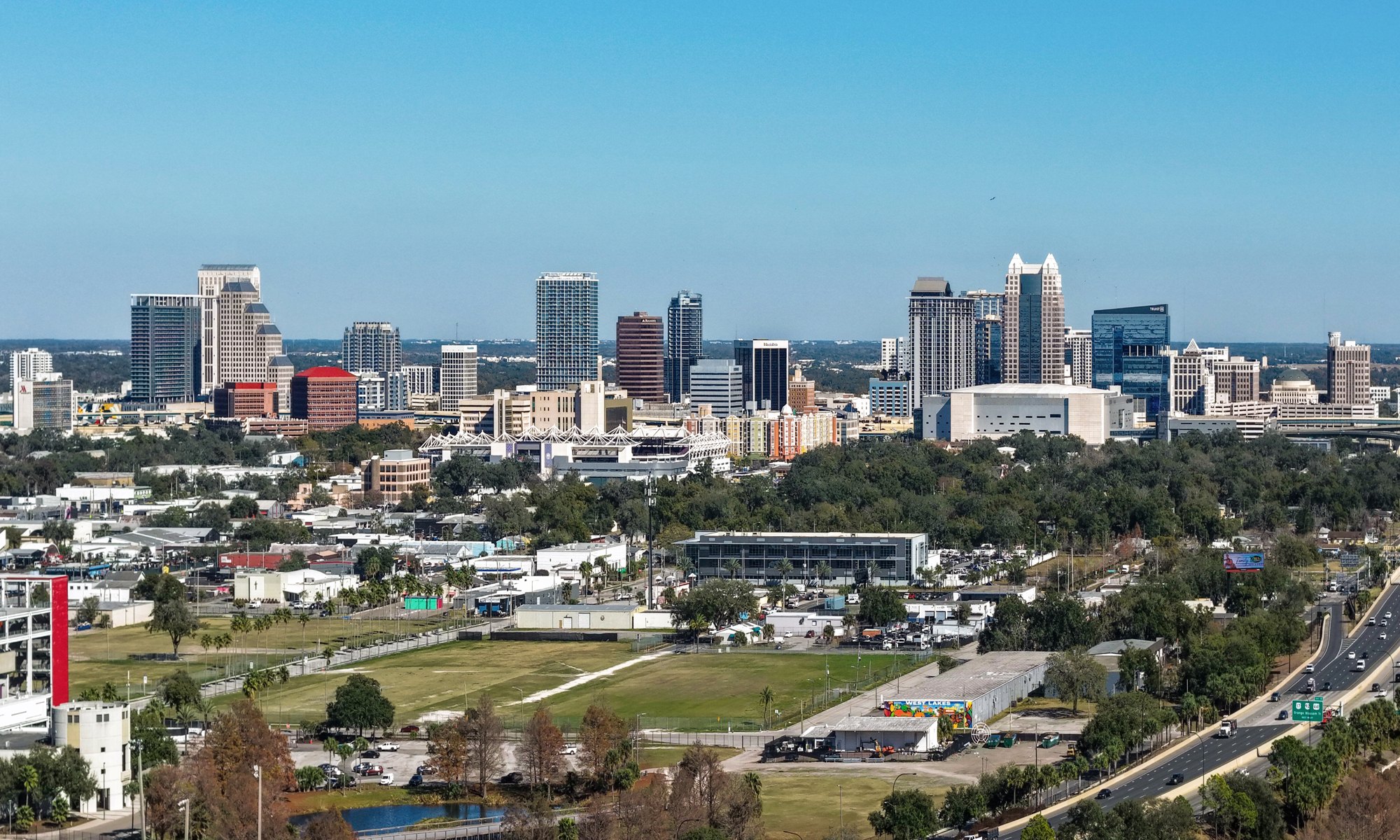
Orlando’s downtown and Lake Eola offer a different starting point from the region’s theme parks. Thornton Park, College Park and the Mills corridors add neighborhood restaurants, local shops and arts within the city.
People who shaped Orlando
These milestones are an introduction, not a complete local history. Follow the linked city and museum sources to explore the people and places behind them.Read the local historical account.
Watch the city’s history

FROM THE ARCHIVES
New exhibit celebrates 150 years of Orlando
A local news report visits a history exhibition marking 150 years of Orlando.
Watch on YouTube ↗- 1838–1850
A settlement called Jernigan
Fort Gatlin was established south of today's city limits during the Seminole Wars. A nearby settler community became known as Jernigan, and its post office opened in 1850.
City of Orlando ↗ - 1856–1857
The Orlando name
The community adopted the Orlando name in 1856, with the post office following in 1857. The city records several competing name-origin stories rather than treating one as established fact.
City of Orlando ↗ - 1875
Town incorporation
Orlando incorporated as a town on July 31 with eighty-five inhabitants. Twenty-two residents were qualified voters under the rules of that era.
City of Orlando ↗ - 1880s–1885
Railroads and a city charter
New railway connections supported citrus shipments in the 1880s. Incorporation as a city followed in 1885 as the community's transport and commercial role expanded.
City of Orlando ↗ - Twentieth century
An economy beyond citrus
Tourism became a major regional industry, followed by efforts to develop technology, life sciences, simulation and training. Downtown Orlando's history remains distinct from the later attractions outside its city limits.
City of Orlando ↗
See the history for yourself.
Check current opening hours and visitor information before you go: Orlando Museum of Art.
For local services and public information, the local government website is a starting point. For historical research, consult local libraries, archives and museums and check collection-specific image permissions.
Selected milestones from the linked historical sources. This is an introduction, not a complete account of the city’s history.